Cao Shu
also called 平原懿公主、平原公主 · 232–232
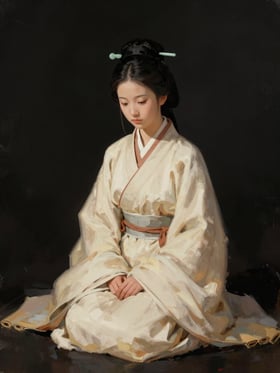
Cao Shu, daughter of Cao Wei’s Emperor Ming, was posthumously named Princess Yigong of Pingyuan; Chen Qun once advised on her funeral rites.
Life
History 3 vols.
On the boards
Where this person ranks on each board.
Cao Shu was a daughter of Emperor Ming of Cao Wei. She is mentioned in relevant accounts in the Records of the Three Kingdoms, but does not appear in the Romance of the Three Kingdoms.
Deeds
- In the sixth year of Taihe, Cao Shu died. Emperor Ming posthumously bestowed on her the title Princess Yì of Pingyuan and had a temple built for her. (As recorded in the histories)
- Chen Qun submitted a remonstrance concerning Cao Shu’s funeral rites, arguing that she should not be buried with the rites for an adult. Emperor Ming nevertheless had the entire court wear mourning clothes and personally went to inspect her tomb. (As recorded in the histories)
Relationships
- Father: Emperor Ming of Cao Wei.
- Husband: Huang, a younger agnatic grandson, who died later; he was buried with Cao Shu and posthumously enfeoffed as a marquis.
- Heir: Guo De, who took the Zhen surname, became Cao Shu’s heir, and succeeded to her princess title.
- Family

Continue
Cao Rui
Kin
Go to Cao Rui →