Eastern Wu
Wang Chong
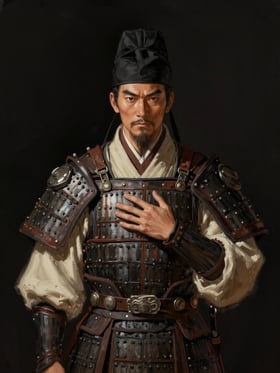
Wang Chong, a Wu general, led troops with Zhang Ying in surrendering to Wei.
In the sources
Where the books name Wang Chong
History · vol. 15Records of the Three Kingdoms
吳將張婴、王崇率眾降。太和二年,帝使逵督前將軍满宠、東莞太守胡質等四軍,從西陽直向東關,曹休從皖,司馬宣王從江陵。…
Read the whole paragraph
吳將張婴、王崇率眾降。太和二年,帝使逵督前將軍满宠、東莞太守胡質等四軍,從西陽直向東關,曹休從皖,司馬宣王從江陵。逵至五將山,休更表贼有请降者,求深入应之。詔宣王驻軍,逵東與休合進。逵度贼無東關之備,必並軍於皖;休深入與贼戰,必敗。乃部署諸將,水陆並進,行二百里,得生贼,言休戰敗,权遣兵断夹石。諸將不知所出,或欲待後軍。逵曰:「休兵敗於外,路絕於内,進不能戰,退不得還,安危之機,不及終日。贼以軍無後继,故至此;今疾進,出其不意,此所謂先人以奪其心也,贼見吾兵必走。若待後軍,贼已断險,兵雖多何益!」乃兼道進軍,多設旗鼓爲疑兵,贼見逵軍,遂退。逵据夹石,以兵粮给休,休軍乃振。初,逵與休不善。黄初中,文帝欲假逵节,休曰:「逵性刚,素侮易諸將,不可爲督。」帝乃止。及夹石之敗,微逵,休軍幾無救也。〈《魏略》曰:休怨逵進迟,乃呵责逵,遂使主者敕豫州刺史往拾棄仗。逵恃心直,謂休曰:「本爲國家作豫州刺史,不来相爲拾棄仗也。」乃引軍還。遂與休更相表奏,朝廷雖知逵直,猶以休爲宗室任重,两無所非也。魏書云:休猶挟前意,欲以後期罪逵,逵終無言,時人益以此多逵。習凿齒曰:夫賢人者,外身虚己,内以下物,嫌忌之名,何由而生乎?有嫌忌之名者,必與物爲對,存胜負於己身者也。若以其私憾敗國殄民,彼雖倾覆,於我何利?我苟無利,乘之曷爲?以是稱说,臧获之心耳。今忍其私忿而急彼之憂,冒難犯危而免之於害,使功显於明君,惠施於百姓,身登於君子之涂,義愧於敌人之心,雖豺虎猶將不觉所復,而况於曹休乎?然則济彼之危,所以成我之胜,不计宿憾,所以服彼之心,公義既成,私利亦弘,可謂善爭矣。在於未能忘胜之流,不由於此而能济胜者,未之有也。〉
On the boards
Where this person ranks on each board.
Wang Chong was a Wu general who led his followers in surrendering to Cao Wei. The source does not specify the chapter in which he appears, and the Romance does not mention him.
Deeds
Historical records state that Wu generals Zhang Ying and Wang Chong led their followers in surrendering to Cao Wei.
Relationships
- Along with Zhang Ying, he was a Wu general who led his followers in surrendering to Wei.
Continue
Eastern Wu
Their side
Eastern Wu was a regime that controlled Jiangdong during the Three Kingdoms period. Sun Ce led his troops across the Zhejiang River, captured Kuaiji and pacified local forces, then personally assumed the post of Administrator of Kuaiji. He also appointed officials to govern Wu Commandery, Danyang, Yuzhang, and the newly established Luling Commandery, expanding the Sun clan’s rule over Jiangdong. Sun Quan controlled Jiangdong and once joined forces with Liu Bei to resist Cao Cao. In the first year of Huanglong (229), Sun Quan assumed the imperial title at the southern suburban altar, posthumously honoring his father, Sun Jian, as Emperor Wulie and his elder brother, Sun Ce, as King Huai of Changsha, and appointing Sun Deng crown prince. After Sun Quan’s death, Sun Liang succeeded him; after the Deposition of Sun Liang, Sun Xiu was welcomed to the throne; and after Sun Xiu’s death, Sun Hao was welcomed and installed as emperor. After Sun Hao Ascends the Throne, he changed the era name to Yuanxing and posthumously honored his father, Sun He, as Emperor Wen.