Cao Wei · Senior official
Yang Pu
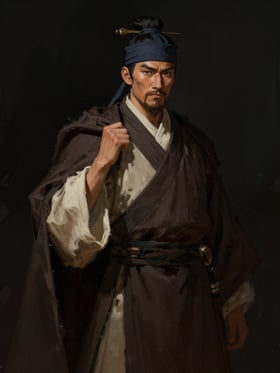
Yang Pu was a Di king of Wudu aligned with Cao Wei, known for bringing his people over and settling in Hanyang Commandery.
In the sources
Where the books name Yang Pu
History · vol. 2Records of the Three Kingdoms
…武都氐王楊僕率種人內附,居漢陽郡。〈《魏略》載王自手筆令曰:「吾前遣使宣國威靈,而達即來。…
Read the whole paragraph
孫權遣使奉獻。蜀將孟達率衆降。武都氐王楊僕率種人內附,居漢陽郡。〈《魏略》載王自手筆令曰:「吾前遣使宣國威靈,而達即來。吾惟春秋襃儀父,即封拜達,使還領新城太守。近復有扶老攜幼首向王化者。吾聞夙沙之民自縛其君以歸神農,豳國之衆襁負其子而入酆、鎬,斯豈驅略迫脅之所致哉?乃風化動其情而仁義感其衷,歡心內發使之然也。以此而推,西南將萬里無外,權、備將與誰守死乎?」〉
On the boards
Where this person ranks on each board.
Yang Pu was a Di king of Wudu who sided with Cao Wei. He led his people in submitting to Cao Wei and settled in Hanyang Commandery. This figure does not appear in the Romance.
Deeds
Yang Pu led his people in submitting to Cao Wei and settled in Hanyang Commandery. (Recorded in historical sources)
Relationships
- Led the Di people of Wudu in submitting to Cao Wei
Continue
Cao Wei
Their side
Cao Wei was a regime whose state name was “Wei” during the Three Kingdoms period. In the late Eastern Han, Cao Cao gradually gained control of the court, and was successively enfeoffed as Duke of Wei and King of Wei, laying the foundations for the Cao clan’s regime. In the twenty-fifth year of Jian’an (220), Cao Pi succeeded to the title of King of Wei, accepted Emperor Xian of Han’s abdication, and ascended the throne as emperor. He adopted the reign title Huangchu and established the state name Great Wei; Emperor Xian of Han was enfeoffed as Duke of Shanyang. Cao Rui succeeded Cao Pi; as Cao Rui had no sons, he adopted Cao Fang as his heir. When Cao Fang ascended the throne, the Grand General Cao Shuang and Grand Commandant Sima Yi assisted in governing. Cao Fang was later deposed, and Cao Mao was welcomed to the throne; after Cao Mao’s death, Cao Huan succeeded him. The Cao Wei throne was successively held by Cao Pi, Cao Rui, Cao Fang, Cao Mao, and Cao Huan.