Puyang Yi
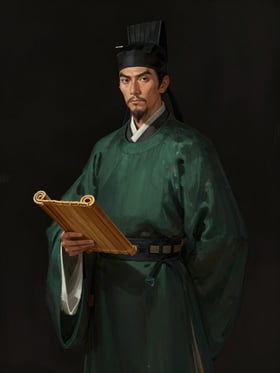
Puyang Yi, a native of Chenliu in the late Han, fled unrest to Jiangdong, became governor of Changsha, and fathered Puyang Xing.
In the sources
Where the books name Puyang Yi
History · vol. 57Records of the Three Kingdoms
…陳國陳融、陳留濮陽逸、沛郡蔣纂、廣陵袁迪等,皆單貧有志。就瑁游處,〈迪孙晔,字思光,作《献帝春秋》,云迪与张纮等俱过江,迪父绥为太傅掾,张超之讨董卓,以绥领广陵事。…
Read the whole paragraph
陸瑁字子璋,丞相遜弟也。少好學篤義。陳國陳融、陳留濮陽逸、沛郡蔣纂、廣陵袁迪等,皆單貧有志。就瑁游處,〈迪孙晔,字思光,作《献帝春秋》,云迪与张纮等俱过江,迪父绥为太傅掾,张超之讨董卓,以绥领广陵事。〉瑁割少分甘,與同豐約。及同郡徐原,爰居會稽,素不相識,臨死遺書,托以孤弱,瑁為起立墳墓,收導其子,又瑁從父績早亡,二男一女,皆數歲以還,瑁迎攝養,至長乃別。州郡辟舉,皆不就。時尚書暨艷盛明臧否,差斷三署。頗揚人暗昧之失,以顯其謫。瑁與書曰:"夫聖人嘉善矜愚,忘過記功,以成美化。加今王業始建,將一大統,此乃漢高棄瑕錄用之時也,若令善惡異流,貴汝穎月旦之評,誠可以厲俗明教,然恐未易行也。宜遠模仲尼之泛愛,中則郭泰之弘濟,近有益於大道也。"艷不能行,卒以致敗。
History · vol. 64Records of the Three Kingdoms
濮陽興字子元,陳留人也。父逸,漢末避亂江東,官至長沙太守。〈逸事見《陸瑁傳》。…
Read the whole paragraph
濮陽興字子元,陳留人也。父逸,漢末避亂江東,官至長沙太守。〈逸事見《陸瑁傳》。〉興少有士名,孫權時除上虞令,稍遷至尚書左曹,以五官中郎將使蜀,還為會稽太守。時琅邪王休居會稽,興深與相結。及休即位,徵興為太常衛將軍、平軍國事,封外黃侯。
On the boards
Where this person ranks on each board.
Puyang Yi was from Chenliu in the late Han. He fled the turmoil for Jiangdong and was a figure associated with the Wu lands; he does not appear in the Romance of the Three Kingdoms.
Deeds
In the late Han, Puyang Yi fled the turmoil for Jiangdong and rose to the rank of Administrator of Changsha. (Recorded in the histories)
Relations
- He was the father of Puyang Xing.
- He associated with Lu Mao; Lu Mao’s biography states that he was poor and had ambition.
- Family
- Friends

Continue
Puyang Xing
Child
Relationship timeline2 entries ▸
History · vol. 57
- Lu Mao§52
Friend
associated with Lu Mao; Mao shared what little he had and shared both plenty and hardship
History · vol. 64
- Puyang Xing§68
Child